Introduction
Singapore is a practical base for companies attending Meetings, Incentives, Conferences and Exhibitions (MICE), supported by strong event infrastructure, efficient transport links, business-friendly districts, and a wide range of stay options for different corporate needs. Its position as a global business hub also gives companies opportunities to connect with industry leaders, decision-makers, partners, and markets from across Asia and beyond.
These advantages make Singapore a practical base for companies sending employees, overseas partners, speakers, exhibitors, or delegates to corporate events. However, the success of a MICE trip depends on more than the venue and programme. Accommodation affects how easily guests reach event locations, rest between demanding schedules, prepare for meetings, and manage longer or changing travel arrangements.
The right business travel accommodation helps guests arrive on time, rest properly, prepare for meetings, and move between event venues with less friction. It also gives travel managers better control over budgets, stay durations, group coordination, and guest experience. For business travel, companies can look beyond standard hotel bookings and consider how each business travel accommodation choice supports the full event schedule before, during, and after the main programme.
Key Takeaways:
- What should companies consider before booking accommodation for MICE travel?
Companies should look beyond room rates and consider stay duration, transport access, work-friendly facilities, and flexibility.
- Why does business travel accommodation matter for MICE events?
The right stay helps guests arrive on time, rest properly, prepare for meetings, and move between event venues with fewer delays or disruptions.
- When are co-living serviced apartments more suitable than hotels?
They may be more suitable for longer stays, mixed arrival dates, project teams, exhibitors, or guests who need access to laundry, pantry facilities and shared spaces.
- How does Coliwoo support MICE-related corporate stays in Singapore?
Coliwoo offers co-living hotels and serviced apartments with private rooms, practical facilities, shared spaces, and flexible options for business travellers, event teams, and overseas guests.
MICE Travel Creates Accommodation Needs That Standard Business Trips Often Miss
MICE travel often involves longer schedules, different traveller profiles, and more complex logistics than a regular business trip. A company may need to accommodate internal teams, senior leaders, business partners, exhibitors, conference speakers, and invited attendees within the same event period. Each group may arrive at different times, stay for different durations, and require different levels of comfort, privacy, and flexibility.
2.1 The Event Format Should Shape the Accommodation Choice
Business travel accommodation should reflect the practical demands of the event schedule, including arrival times, daily reporting hours, venue access, and the number of nights required. A short meeting may only require a convenient overnight stay, while an exhibition may involve early setup periods, late closing hours, and additional days for preparation or dismantling.
The schedule may also include rehearsals, networking sessions, client meetings, or follow-up appointments outside the official event hours. Companies should therefore consider whether guests can travel reliably between the business travel accommodation and venue, return comfortably after long days, and extend their stay when plans change. This makes the stay part of the event logistics rather than a separate booking decision.
2.2 Guest Profiles Affect Comfort, Privacy, and Practical Needs
Not every guest attending the same event will need the same business travel accommodation experience. Employees may prioritise reliable Wi-Fi, laundry access, and practical workspaces, while senior executives or invited speakers may require greater privacy, quieter surroundings, and convenient access to meeting locations.
Overseas partners and delegates may place greater value on straightforward check-in, nearby dining, and an area that is easy to navigate. Teams travelling together may benefit from private rooms combined with shared spaces where they can regroup or prepare for the next day. Recognising these differences helps companies assign suitable business travel accommodation based on each traveller’s role, responsibilities, and length of stay.
2.3 – The Official Event Dates Rarely Reflect the Full Stay
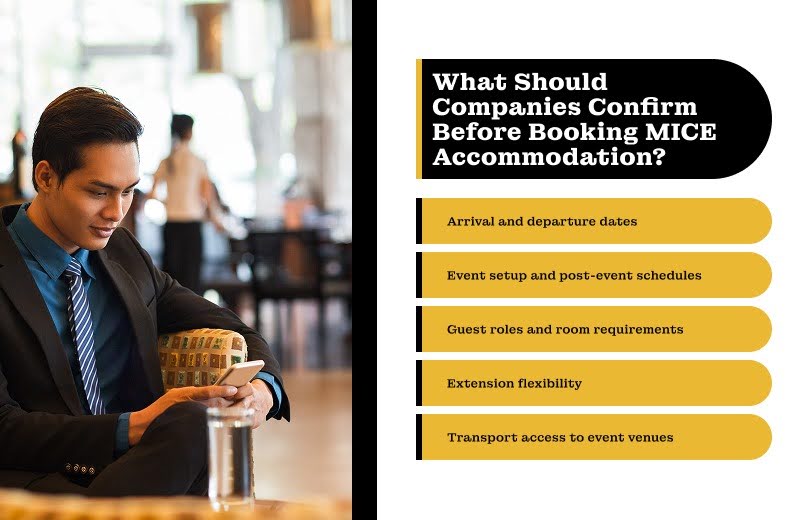
Many MICE trips begin before the event opens and continue after the final session ends. Teams may arrive early for rehearsals, venue briefings, technical checks, booth preparation, sponsor meetings, or private client appointments. Some guests may extend their stay for follow-up meetings, regional planning sessions, incentive activities, or additional business development.
Companies that only book around the main event dates may face last-minute extensions, higher rates, limited availability, or fragmented bookings across different properties. Short-term stay options with extended-stay flexibility can make planning easier when travel dates shift.
This matters especially for overseas employees and business partners who may need time to settle in, adjust to schedules, or continue working after the event. When arrival and departure plans may change, organisers should choose business travel accommodation that can support extra nights, staggered check-ins, and different stay durations. Short-term accommodation options in Singapore are highly useful for companies needing flexible pre- and post-event stays.
Companies Should Assess Accommodation Based on the Overall Business Trip
Companies should assess business travel accommodation based on how well each option supports scheduling, transport planning, guest coordination, cost control, and traveller comfort. A low room rate may offer limited value if guests face long commutes, poor rest, unreliable connectivity, or restrictive stay terms. The right accommodation choice can help organisers manage schedules more effectively, maintain budget visibility, and provide a smoother overall event experience.
3.1 Location Should Support the Event Schedule
A convenient location should make it easier for guests to get to the event and move around during their stay. Companies should consider travel time, peak-hour traffic, public transport access, and how easily guests can reach the venue, airport, dining options, or other planned activities.
For MICE events, reliable access is often more important than simply staying in a central area. Guests attending an early exhibition or conference may benefit from accommodation that reduces travel time and makes daily transport easier to manage. The right business travel accommodation should support the full schedule, from arrival and event transfers to meals and post-event plans.
3.2 Work-Friendly Facilities Matter During Multi-Day Event Travel
MICE guests often need to work between sessions, calls, meetings, and networking activities. Reliable Wi-Fi, a usable desk, proper lighting, private rest areas, and comfortable bedding can affect how well they perform during the trip. Laundry access and kitchenette facilities also become more valuable when guests stay for more than a few nights.
Hotels may work well for short stays, but longer business trips often require more daily convenience. Employees may need to refresh clothes between event days, prepare simple meals, or take quiet calls outside the event venue. Business travel accommodation that supports both work and rest helps guests maintain a steadier routine during demanding event schedules.
3.3 Budget Control Depends on Total Stay Value
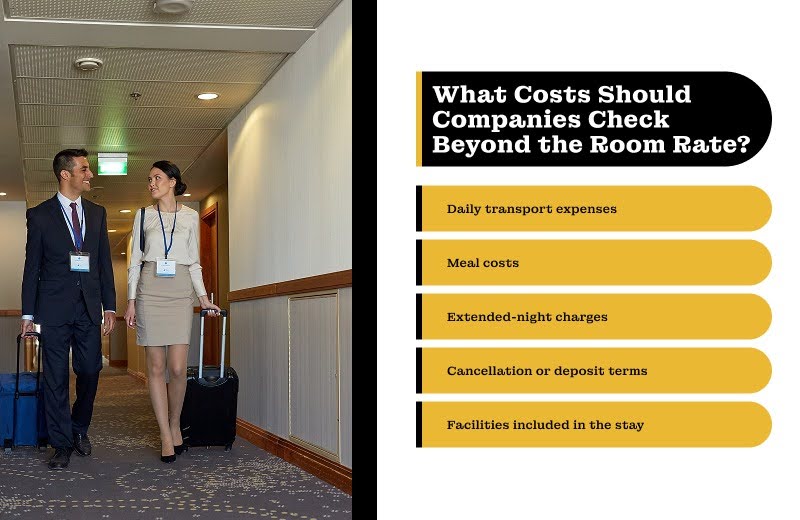
Companies should not assess accommodation only by the nightly rate. The total cost may include transport, meals, extended nights, deposits, cancellation terms, and extra services. A cheaper stay farther from the venue may increase transport costs and create delays. A more expensive business travel accommodation option may offer better value if it reduces travel time, supports longer stays, and includes practical facilities.
Companies comparing rental apartments in Singapore should also consider whether they support work routines, guest comfort, and access to event venues.
For group travel, small cost differences can become significant across multiple guests and several nights. Companies should compare room type, location, inclusions, stay flexibility, and guest suitability before confirming bookings. The strongest business travel accommodation option balances cost control with comfort and operational reliability.
Choosing the Right Stay for Different MICE Travel Needs
Companies do not need to treat every business stay as a hotel booking. Hotels, serviced apartments, and co-living accommodation can each suit different MICE scenarios. The right business travel accommodation choice depends on event length, guest profile, budget, privacy needs, and the level of flexibility required.
4.1 Hotels Suit Short, Service-Led Stays
Hotels can work well for short corporate trips, VIP guests, and event programmes centred around a specific venue. They often provide front-desk support, housekeeping, dining options, and easy access to meeting facilities. This makes them useful when guests need a simple, service-led stay for one or two nights.
However, hotels may become less practical for longer MICE travel. Guests may have limited living space, fewer laundry options, and less flexibility around daily routines. For teams staying before and after an event, the cost of hotel-based accommodation can also rise quickly. Companies should use hotels where service, location, and short-stay convenience matter most.
4.2 Serviced Apartments Support Longer and More Independent Business Stays
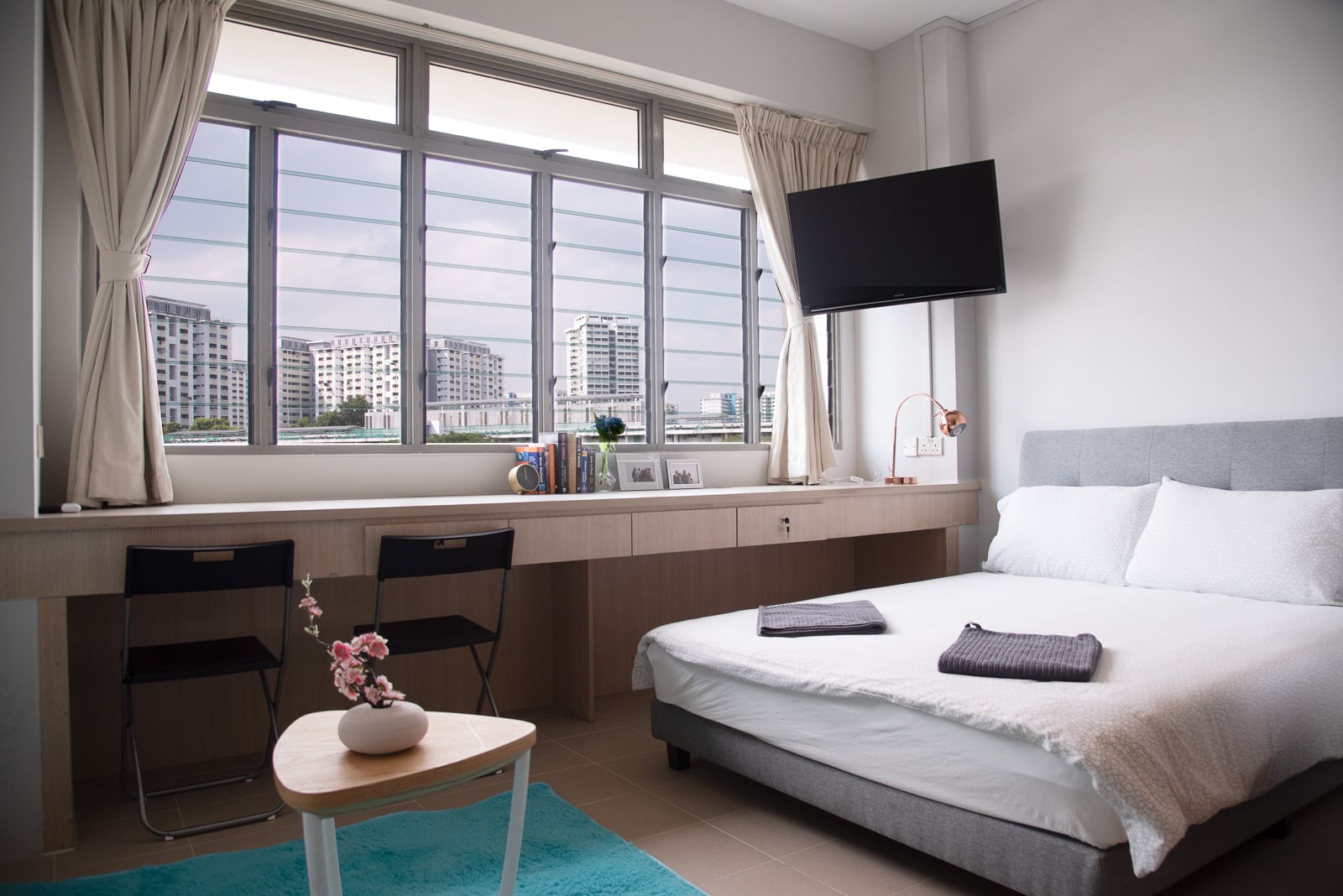
Serviced apartments can suit employees, executives, speakers, and overseas partners who need a more settled base during longer business travel. They often provide more living space, access to laundry, pantry facilities, and greater independence than standard hotel rooms. These features help guests maintain routines during multi-day events, extended meetings, or post-event work. A serviced apartment can be suitable when guests need more daily convenience than a standard room offers, especially during extended corporate travel.
The trade-off depends on the event schedule. In Singapore, serviced apartments generally require a minimum stay of six nights. Location also matters, particularly when guests need convenient access to the event venue.
4.3 Co-Living Accommodation Can Balance Privacy, Flexibility, and Community
Co-living accommodation can suit companies that need short-term or extended-stay options for employees, project teams, business partners, and event attendees. Private rooms give guests space to rest, while shared lifestyle areas can support informal interaction outside the event venue. This can work well for teams attending conferences, exhibitions, training programmes, or regional company gatherings, especially when companies are looking beyond typical 新加坡房间出租 and need a more structured corporate stay.
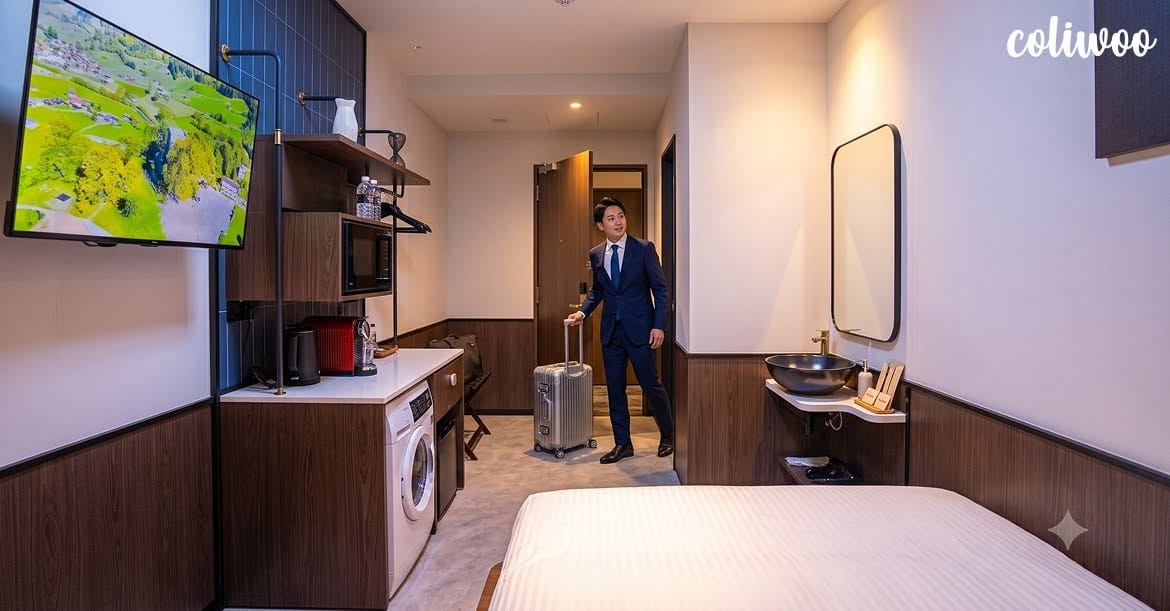
Coliwoo offers a middle ground between conventional hotels and serviced apartments. Its accommodation combines the convenience of fully furnished, ready-to-use rooms with practical features that help guests maintain their work and daily routines during longer stays. Depending on the property and room type, guests may have access to workstations, kitchenettes, laundry facilities, private bathrooms, and communal lifestyle spaces.
This gives companies a clearer way to match business travel accommodation to actual guest needs.
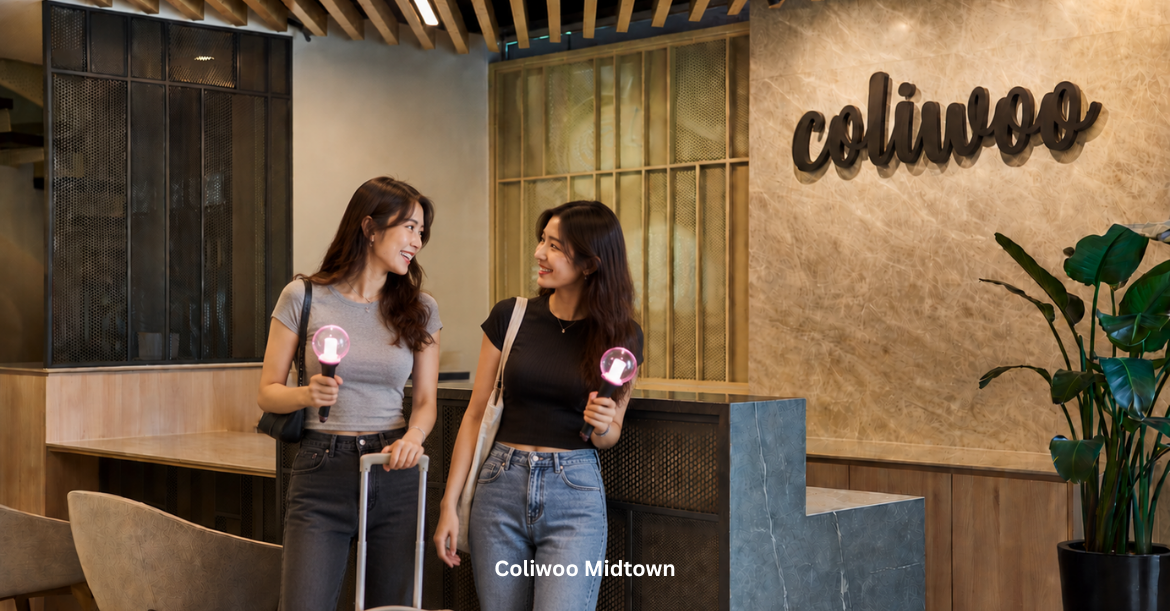
A short-term room for rent may suit an individual delegate attending a brief programme, while Coliwoo’s broader range can also accommodate exhibitors, project teams, overseas employees, and business partners who require longer stays or more day-to-day independence. For example, Coliwoo 75 Beach Road provides a central option near Bugis and the Central Business District, while Coliwoo Midtown offers flexible leases from six nights, fully furnished units, communal work and lifestyle facilities, and kitchenettes, workstations, and washer-dryers in selected room types.
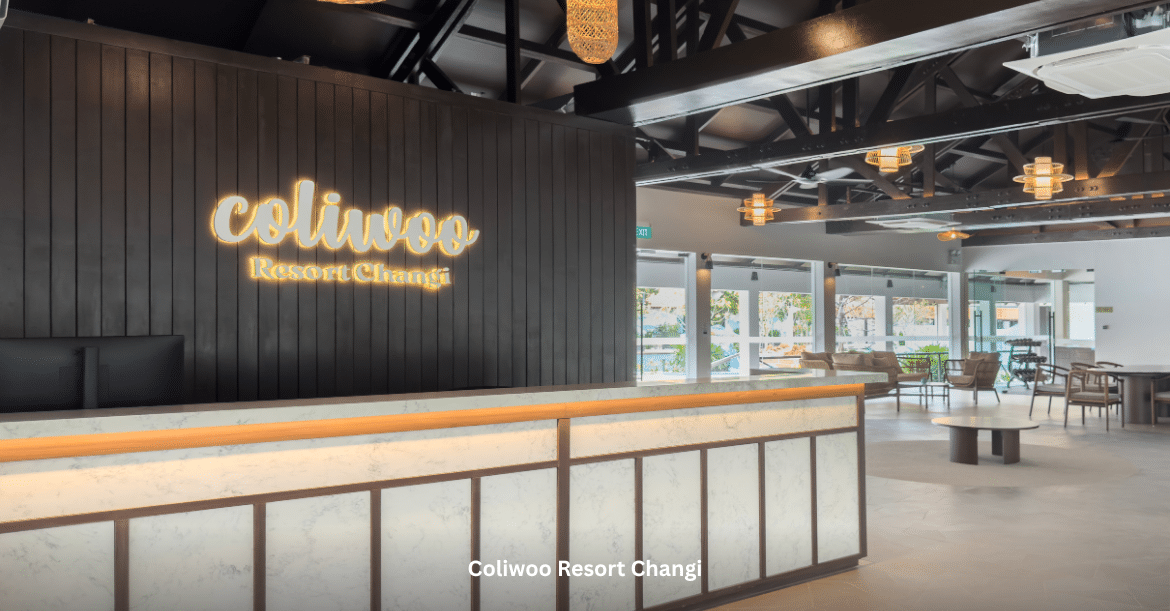
Coliwoo Resort Changi may suit guests attending east-side events or requiring convenient access to Changi Airport. Together, these options give companies the ready-to-use convenience associated with hotels alongside the flexible stays, practical facilities, and greater independence commonly expected from serviced apartments.
常见问题
What’s the best area to stay in Singapore for a conference or exhibition?
The best area depends on the event venue, transport route, and length of stay. Companies should first check whether guests need to be near the Central Business District, Marina Bay, Suntec, Singapore Expo, Changi Airport, or city-fringe MRT routes. Singapore’s official business events listings can also help organisers understand the timing and location of major events before they confirm business travel accommodation.
Coliwoo properties are designed to support different travel routes and event locations across Singapore. City-fringe options such as Coliwoo 75 Beach Road and Coliwoo Midtown are well-suited for guests attending events near the Central Business District, Suntec, or Marina Bay. For events in the east, Coliwoo Resort Changi offers convenient access to Changi Airport and nearby venues. If you are planning for upcoming east-side locations such as Coliwoo Changi Business Park, we recommend checking availability with our team early to ensure a smooth stay arrangement.
How far in advance should companies book accommodation for MICE events?
Companies should book accommodation as early as possible, especially when arranging stays for multiple employees, business partners, speakers, or event attendees. Large conferences and exhibitions can affect room availability across popular business districts, so early planning gives companies more flexibility in choosing suitable Coliwoo properties, room types, and stay durations.
Early booking also helps organisers manage group arrivals, extended stays, and location preferences more smoothly. This is especially useful when group bookings require a mix of privacy, shared spaces, and practical facilities across several nights.
What should I prioritise if I’m attending a multi-day conference?
For a multi-day conference, prioritise business travel accommodation that supports both productivity and recovery. Reliable Wi-Fi, a private rest area, laundry access, nearby dining options, and convenient transportation can make the trip easier to manage. Guests should also check whether the stay supports work between sessions, post-event follow-ups, and rest after long conference days.
What type of accommodation works best for teams travelling together?
Teams travelling together often benefit from accommodation that offers private rooms alongside shared spaces. This gives each guest room to rest while still allowing colleagues to connect, prepare for meetings, or regroup after event sessions. Coliwoo’s co-living and serviced accommodation model can support this balance by offering privacy, practical facilities, and communal areas, making it suitable for companies arranging stays for project teams, exhibitors, business partners, or event attendees.
Conclusion
Choosing business travel accommodation for MICE events in Singapore requires more than comparing room rates and venue distance. Companies need to consider event format, guest profile, stay duration, transport access, work-friendly facilities, budget control, and the practical trade-offs between hotels, serviced apartments, and co-living stays.
The strongest stay plan also accounts for changing event dates, staggered arrivals, team coordination, longer stays, and the need for guests to rest, work, and move smoothly between venues. With the right business travel accommodation, companies can support comfort and everyday convenience while keeping the overall MICE schedule easier to manage.
Explore Coliwoo’s accommodation options for your next MICE event to give your employees, business partners, and event attendees a stay that supports comfort, flexibility, and everyday convenience throughout the travel experience.