Key Takeaways:
Why are more Singapore homeowners choosing coliving during the Home Improvement Programme (HIP)?
- HIP works can disrupt daily routines when bathrooms, access areas, noise, dust, and renovation activities affect home comfort.
- Coliving offers flexible, furnished accommodation for those who need a practical place to stay during a defined renovation period.
- Families, couples, working adults, and seniors may benefit from a temporary stay that supports privacy, comfort, and everyday routine.
- Staying near familiar neighbourhoods helps people continue work, school, and daily errands with less disruption.
- Coliwoo combines flexible accommodation, convenient locations, and ready-to-use living spaces to support homeowners who need temporary housing during HIP upgrading works.
Introduction
The Home Improvement Programme (HIP) helps older HDB flats undergo essential upgrading works such as bathroom improvements, and entrance door and gate replacements. While these upgrades bring long-term benefits, the renovation period itself can be disruptive for residents who continue living in the flat during the works. Hacking, drilling, dust, restricted movement, and temporary changes to daily routines can make the experience challenging, especially over an extended period.
For households seeking a more comfortable alternative during the renovation phase, temporary housing solutions can help ease the transition. In recent years, coliving has emerged as a practical option for Singaporeans looking for flexible accommodation, fully furnished rooms, convenient locations, and a more lifestyle-oriented living environment without the commitment of a conventional long-term lease. Studies have found that convenience, affordability, and flexibility are among the main factors driving interest in coliving spaces.

HIP Works Create a Need for Temporary Housing Solutions
HIP Can Affect More Than Just Physical Space
HIP works may seem manageable at first, but the day-to-day impact can become exhausting, especially for residents who need to work, rest, care for children, or maintain their usual household routines during the renovation period. Noise, dust, contractor movement, and temporary bathroom arrangements can make the home feel uncomfortable and disruptive, particularly during the more intensive stages of upgrading.
As a result, many homeowners begin exploring temporary housing solutions before the works start. Having an alternative place to stay can provide greater comfort and peace of mind, while allowing daily life to continue in a cleaner, quieter, and more private environment.
Comfort Matters During Renovation
Once homeowners decide to arrange temporary accommodation during HIP works, practical living considerations often become an important part of the decision-making process.
Location can affect commuting time to work or school. Access to nearby food options, supermarkets, healthcare services, and public transport may also shape how manageable daily routines remain during the renovation period. Some residents may prioritise private bathrooms and kitchen access, while others may require reliable Wi-Fi and suitable workspaces for remote work arrangements.
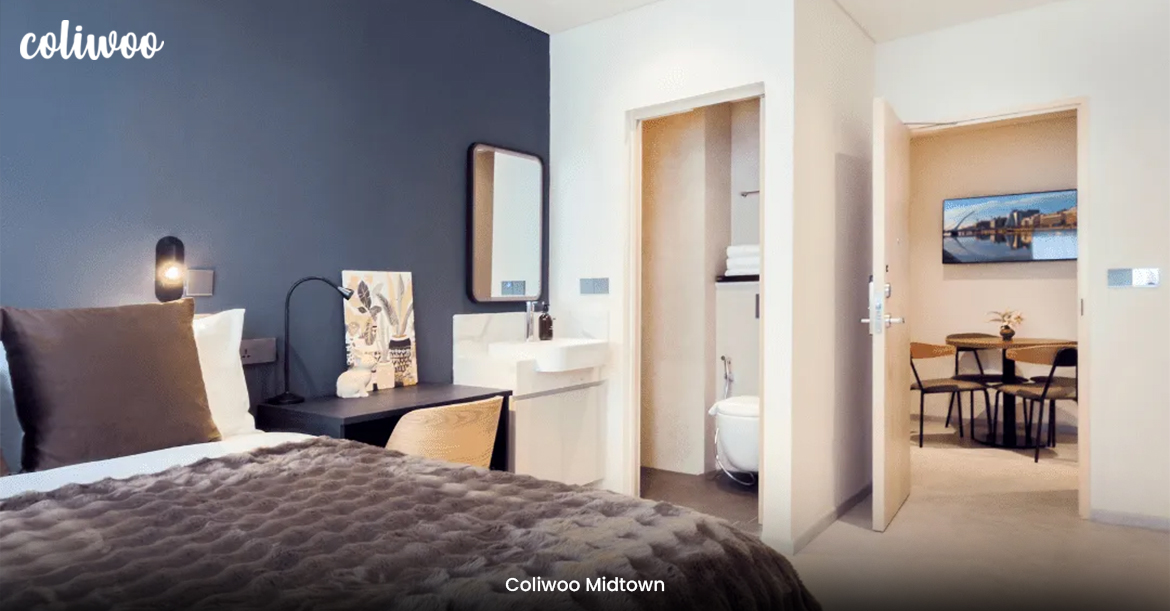
Coliving addresses these concerns by offering a move-in-ready living environment rather than an empty rental unit that requires additional setup. Instead of spending time arranging furniture, utilities, or essential amenities, residents can focus on getting through the renovation period with greater ease and less stress.
Why Is Coliving an Optimal Option During HIP?
Furnished Spaces Reduce Setup Stress
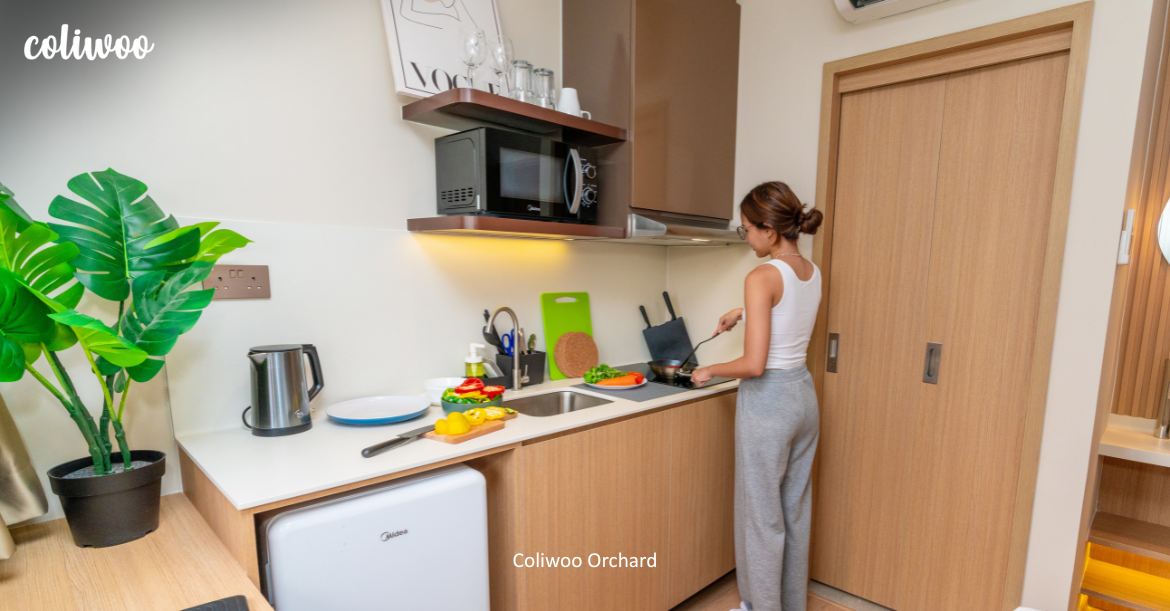
One of the main reasons coliving works well during renovation is the convenience of having a fully furnished living space ready for immediate move-in. This is especially useful for residents who only need short- to medium-term accommodation, as it reduces the hassle and additional expense of moving bulky furniture, purchasing temporary appliances, or setting up a separate home. With essential amenities already provided, homeowners can continue their daily routines with minimal disruption.
Flexible Lease Supports Uncertain Timelines
Renovation timelines can sometimes shift due to scheduling changes, household decisions, or the scope of HIP works. For residents who only need accommodation temporarily, committing to a rigid long-term lease may not be ideal. In contrast, coliving offers greater flexibility through short-term room for rent options that can better match different renovation periods, while still providing a comfortable, ready-to-live-in environment.
For example, Coliwoo offers serviced apartments with minimum stays starting from as little as six nights up to longer-term arrangements of a year, giving its members the flexibility to choose accommodation that best suits their temporary housing needs during HIP works. Should renovation timelines change or works take longer than expected, stay extensions may also be arranged, allowing members to adjust their accommodation plans with greater ease.
Who Can Benefit From Coliving During HIP?
Families, Couples, Working Adults, and Seniors Have Different Needs
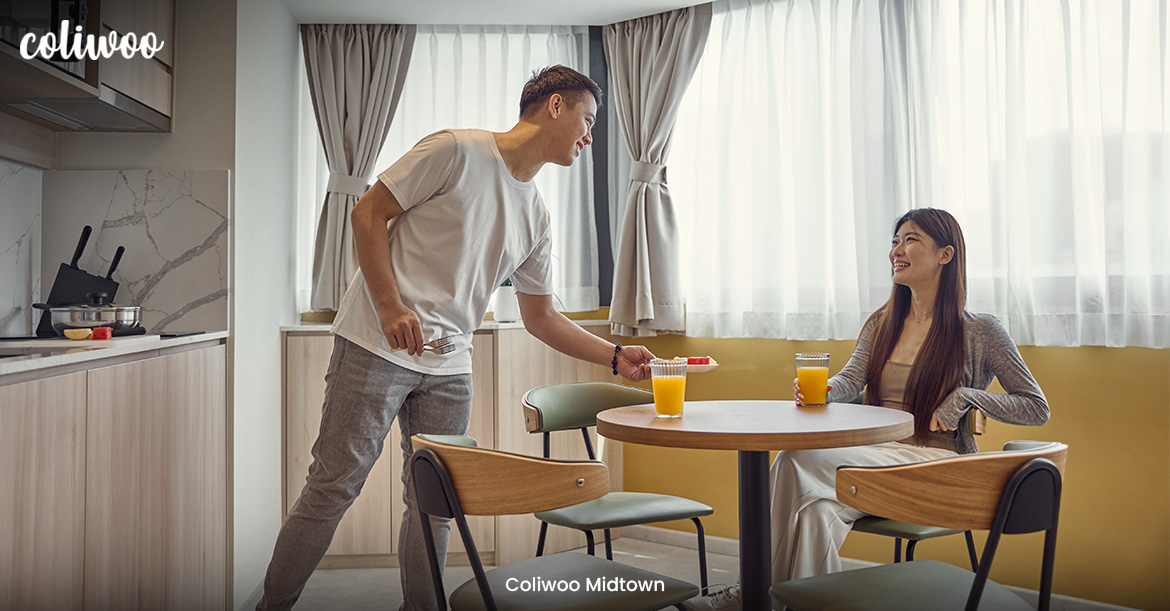
Different households experience HIP disruption in different ways. Families with young children may need a safer and cleaner environment during heavy renovation works, while couples may value added privacy and convenience. Working adults may require stable Wi-Fi, quiet rest, and easy access to public transport, while seniors may benefit from a calmer space where daily routines can continue with fewer disruptions.
Coliving like Coliwoo can support these varied needs because it is not limited to a single profile type. With options that vary in room configuration, facilities, and neighbourhood settings, members can choose a temporary living arrangement that better aligns with their daily routines and lifestyle preferences during HIP works.
Shared Amenities Add Everyday Convenience
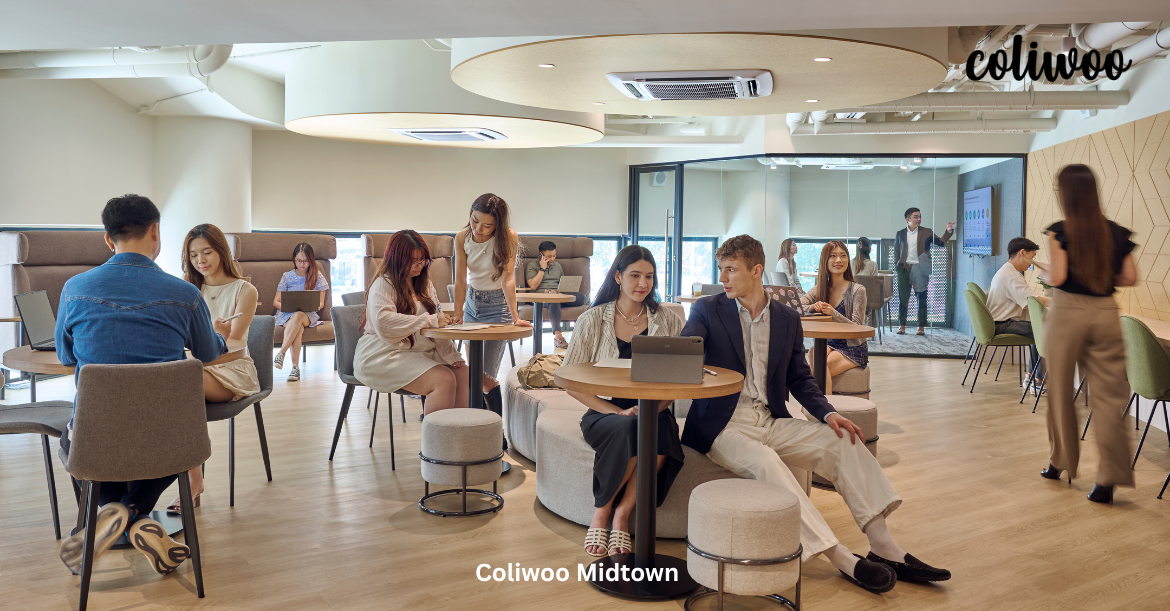
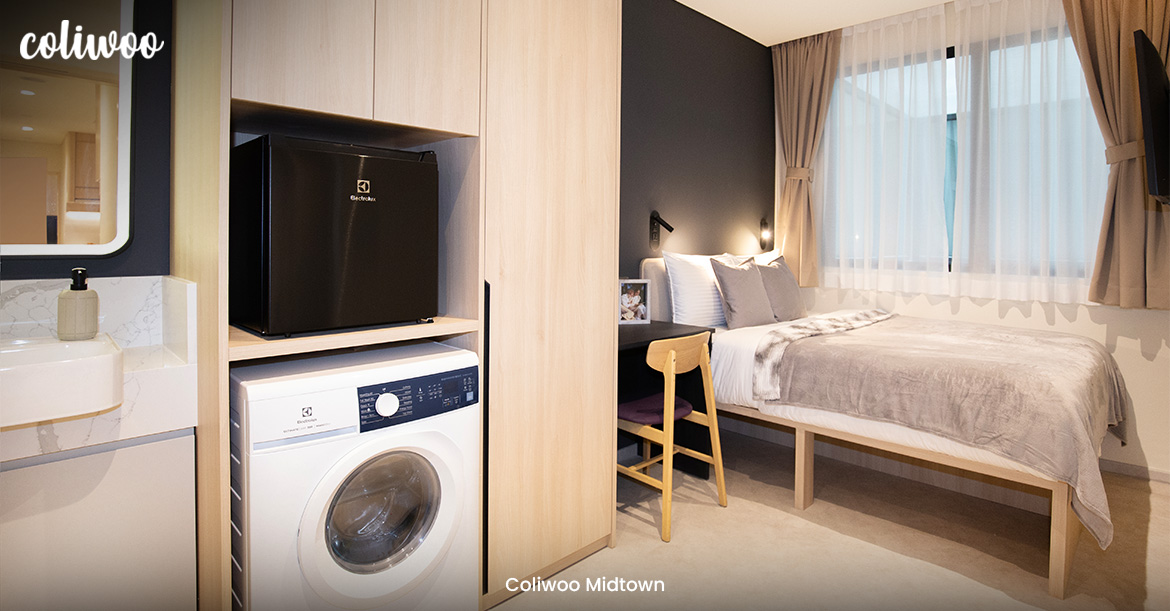
A serviced apartment or coliving space can also provide practical day-to-day conveniences. Features such as furnished rooms, kitchenette and washer-dryer access, housekeeping services, communal lounges, and gym amenities allow residents to maintain a more comfortable routine throughout the renovation period. For example, Coliwoo’s co-living serviced apartments are designed around these flexible living needs, helping its members settle in more easily during temporary stays.
Beyond the physical amenities, the community aspect can also make the experience feel more welcoming. While not every member actively seeks social interaction, access to communal spaces and community events can help reduce the sense of isolation that may come with staying away from one’s usual home environment.
Why Is Location Important When Choosing Temporary Accommodation?
Familiar Neighbourhoods Help Preserve Routine
For many Singaporeans, the ideal temporary stay is not necessarily far from home. Residents will still need to commute to the same workplace, send children to school, visit nearby family members, or return occasionally to check on renovation progress. Staying in a convenient location can help minimise disruption and make daily routines easier to maintain during HIP works.
This is why temporary housing solutions should be assessed based on more than just rental cost alone. Factors such as transport connectivity, nearby amenities, food options, healthcare facilities, and proximity to the original home can all influence how practical and comfortable the stay feels. When comparing apartments for rent across the city, location often becomes just as important as the accommodation itself.
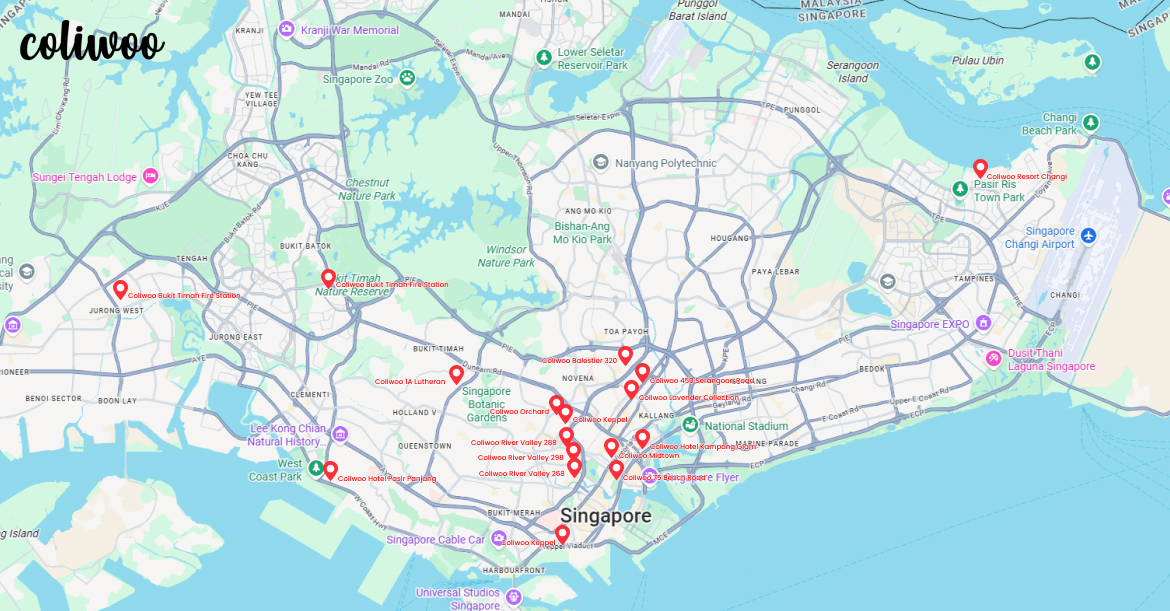
Coliwoo’s network of properties across Singapore provides residents with more flexibility when choosing a temporary place to stay. For example, Coliwoo Orchard offers convenient access to Orchard Road, Somerset MRT station, shopping malls, supermarkets, and dining options, while Coliwoo Midtown provides easy connectivity to Bugis, the CBD, public transport networks, cafés, and office districts. Having multiple locations available allows residents to select accommodation that better fits their daily commitments and lifestyle needs during the renovation period.
Why Is Coliving a Practical Alternative to Extended Hotel Stays and Traditional Rentals?
Not All Temporary Housing Costs Are Equal
Hotels may appear convenient initially, but longer HIP renovation periods often make residents think more carefully about practicality and overall living costs. Staying in a hotel for several weeks can become expensive, particularly when daily dining, laundry services, and additional accommodation charges begin accumulating over time.
Traditional rental arrangements may seem like another alternative, yet they often come with fragmented expenses such as utility bills, internet setup, furniture requirements, deposits, agent fees, and minimum lease commitments. For homeowners seeking only temporary accommodation during upgrading works, these additional arrangements may feel unnecessarily complicated for a short-term stay.
Coliving arrangements can provide a more cost-manageable middle ground between hotels and conventional rentals. Coliwoo’s all-inclusive rental model combines furnished accommodation, utilities, Wi-Fi, housekeeping, and shared facilities within a single arrangement, helping its members manage temporary living needs with greater convenience and cost visibility during the renovation period.
The Focus Is Practical Comfort, Not Just Comparison
The purpose is not to say that coliving replaces every other option. Some residents may stay with relatives, book a hotel, or remain at home during HIP. The better question is whether the accommodation supports the household’s comfort, schedule, and renovation timeline. For residents seeking furnished convenience, flexible stay options, and convenient locations, coliving can be a strong consideration among the many temporary housing solutions in Singapore.
Conclusion
HIP works can improve a home’s long-term comfort, but the renovation period may temporarily affect privacy, cleanliness, rest, and daily routines. Coliving offers Singapore residents a practical way to stay elsewhere during disruptive stages of upgrading, especially when they need furnished spaces, flexible arrangements, convenient locations, and a living environment that supports normal routines.
For families, couples, working adults, and seniors, the right temporary accommodation can make the HIP experience feel less stressful and more manageable. Coliwoo’s modern co-living approach, serviced apartment options, and simplified rental model make it a relevant choice for residents who want comfort without the heavier commitment of a traditional lease.
Explore Coliwoo’s available co-living spaces to find a temporary stay that fits your renovation timeline and everyday needs.